 Jacksonville Bankruptcy Lawyer Blog


The U.S. House of Representatives introduced a new bill, the Mobile Informational Call Act of 2011, that would allow businesses to dial consumers’ cell phones using an automatic dialing system. This practice is oftentimes called “robo-calling”. This means that the operator does not have to manually dial each number. Rather, the computer system can dial the numbers and play a prerecorded message on many phones at once. The current law is that operators have to manually dial the numbers (unless the customer consents to robo-calling), which is not very profitable for many collection agencies.
The down side to this bill would obviously be that creditors would be able to start robo-calling your cellphone. This does not sit well with many consumers. But some creditors say that the current regulations have not kept up with the technology of today, and that a lot of people do not have home phone lines anymore. Creditors are wanting robo-calling access to cell phones.
The upside to the bill, however, is that an airline company could robo-call passengers if a flight was cancelled or is running late. Or your credit card company could set up a system to automatically call you if they think someone is fraudulently using your card. Or your bank could robo-call with a message that someone changed the address or PIN number on your account.
 Singer Beyonce Knowles, recently sold her Miami, Florida condo for nearly 25% of what she paid for it. According to
 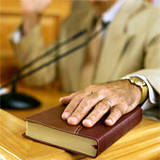 When filing for bankruptcy, it is very important to be very honest and disclose everything. If you do not, you risk having your bankruptcy denied, discharge revoked or even prison time in the worst case scenario. When you sign your bankruptcy documents, you are doing so swearing that they are true under penalty of perjury. If the trustee finds out that something you have in your schedules is incomplete or untrue, this will raise a red flag and the trustee will scrutinize your bankruptcy schedules even more.
  With more than